

Are you ready to take a step towards a sustainable future? Click on the buttons below to explore our comprehensive Steps to Solar guide, where you’ll find everything you need to know about the process of going solar. Or, if you’re curious about the benefits and considerations as a consumer, dive into our Consumer Guide. The consumer guide has information about choosing an installer, consumer protection, and financing.

Starting Your Solar Journey
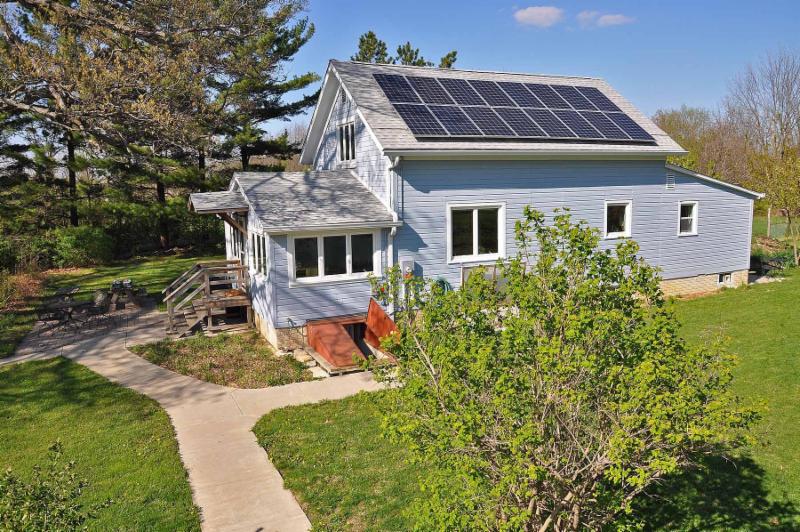
Federal Incentives
The federal tax credit that was a part of the Inflation Reduction Act (IRA) were rescinded in July of 2025, and ended on Dec 31, 2025.
However, local utilities and state entities still offer incentives for going solar.
Wisconsin residents can take advantage of the Focus on Energy rebate, which offers $600 per kilowatt, up to $2,400 for residential buyers.
Click your state below to learn more about incentives available to you.
State Incentives
While the federal tax credit for purchasing solar applies to all property owners in the U.S., state incentives vary greatly. Click your state below to find more information about incentives where you live.
What is Net Metering?
People often connect the concept of solar to the concept of going off-grid and using battery backups. However, the most common residential solar systems are grid-tied.
In the grid-tied design, your solar system provides power to your home and any excess electricity generated beyond your energy use is delivered back to the utility grid. If your solar PV system is not producing enough energy to meet your needs, (e.g, at night when there is no sun), then you use electricity from you utility.
Grid-tied is the least expensive type of system design. It also allows for net metering – which is how you make money from your utility when they buy back your extra energy from your solar array, which appears as a credit on your electric bill.
In essence, net metering is your electric meter spinning in reverse.
Some months, your solar array will generate more energy than you use and other months you will be using the grid plus your solar array for energy consumption.
Net metering still works to save you money over the course of the year as your credit for excess production rolls over to future months.
Net metering policy can vary by region.
Watch this short video from EnergySage to learn more about net metering!
Sizing
Storage
Solar Panel Maintenance
Solar Storage
Solar storage offers an alternative to net metering. While net metering allows you to sell excess solar energy back to the grid, solar storage allows you to store that excess energy for later use. This means you can harness the power of the sun even when it’s not shining, giving you greater control and independence over your energy consumption.
Solar storage can come with a larger price tag compared to net metering. With solar storage, you can maximize your energy savings by avoiding peak electricity rates and reducing your reliance on the grid. Plus, you’ll have peace of mind knowing that you have a reliable and sustainable source of energy, even during power outages.